


int i;
int count = 0;
char * fred (char c, int i)
{
  static int mark = 0;
  char * result = (char *) malloc (i + 2);
  count += i;
  {
    int k;
    for (k = 0; k < i; k++)
      result [k] = c;
  }
  result [i++] = 0;
  result [i] = ++mark;
  return result;
}
int main (void)
{
  char * string;
  i = 5;
  string = fred ('a', i);
  printf ("%s, %d, %d\n", string, string [i+1], count);
  string = fred ('b', i);
  printf ("%s, %d, %d\n", string, string [i+1], count);
  return 0;
}
We start with just the built-in names, at level 0.
| char |
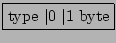 |
| int |
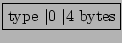 |
Global declarations are at level 1.
int i;
| char |
|
| int |
|
| i |
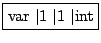 |
int count = 0;
| char |
|
| int |
|
| i |
|
| count |
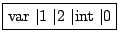 |
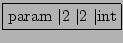
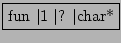
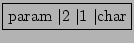
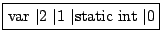
Declarations within functions are (initially) at level 2. The eventual position of fred in the compiled code is currently unknown. The new declaration for i, as a parameter, temporarily overrides the previous declaration (global variable).
char * fred (char c, int i)
{
| char |
|
|
| int |
|
|
| i |
 |
|
| count |
|
|
| fred |
 |
|
| c |
 |
static int mark = 0;
| char |
|
|
| int |
|
|
| i |
|
|
| count |
|
|
| fred |
|
|
| c |
|
|
| mark |
 |
char * result = (char *) malloc (i + 2);
| char |
|
|
| int |
|
|
| i |
|
|
| count |
|
|
| fred |
|
|
| c |
|
|
| mark |
|
|
| result |
 |
|
| malloc |
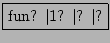 |
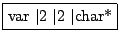
We don't have a declaration for malloc, so we have to try to construct something for it.
count += i;
At this point, for example, when we look up i, we find information
describing it as a parameter of fred, rather than a global variable.
Also, when we look up count, we discover that it is a variable,
so it can be assigned to, and it and i are integers, so we know what
sort of addition to perform.
The inner block starts a new level, level 3.
{
int k;
| char |
|
|
| int |
|
|
| i |
|
|
| count |
|
|
| fred |
|
|
| c |
|
|
| mark |
|
|
| result |
|
|
| malloc |
|
|
| k |
 |
for (k = 0; k < i; k++)
result [k] = c;
}
| char |
|
|
| int |
|
|
| i |
|
|
| count |
|
|
| fred |
|
|
| c |
|
|
| mark |
|
|
| result |
|
|
| malloc |
|
|
| k |
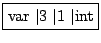
As we exit level 3, the variable k is no longer visible, so we detach the corresponding property from the name-list. However, we retain the name-list entry for k, as it may occur again lower down.
result [i++] = 0;
result [i] = ++mark;
return result;
}
| char |
|
| int |
|
| i |
|
| count |
|
| fred |
|
|
|
|
|
|
|
| c | |
| mark | |
| result | |
| malloc |
|
| k |
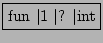
As we exit level 2, we discard the declarations made inside it (c, i, mark, result). In particular, we have to reconnect i to its original declaration as a global variable. We don't completely discard the entries for the parameters, as we need them to check calls to fred lower down.
int main (void)
{
| char |
|
||
| int |
|
||
| i |
|
||
| count |
|
||
| fred |
|
|
|
| c | |||
| mark | |||
| result | |||
| malloc |
|
||
| k | |||
| main |
 |
char * string;
| char |
|
||
| int |
|
||
| i |
|
||
| count |
|
||
| fred |
|
|
|
| c | |||
| mark | |||
| result | |||
| malloc |
|
||
| k | |||
| main |
|
||
| string |
 |
i = 5;
At this point, for example, when we look up i, we find information
describing it as a global variable, rather than a parameter of fred.
string = fred ('a', i);
printf ("%s, %d, %d\n", string, string [i+1], count);
| char |
|
||
| int |
|
||
| i |
|
||
| count |
|
||
| fred |
|
|
|
| c | |||
| mark | |||
| result | |||
| malloc |
|
||
| k | |||
| main |
|
||
| string |
|
||
| printf |
|
string = fred ('b', i);
printf ("%s, %d, %d\n", string, string [i+1], count);
return 0;
}
| char |
|
||
| int |
|
||
| i |
|
||
| count |
|
||
| fred |
|
|
|
| c | |||
| mark | |||
| result | |||
| malloc |
|
||
| k | |||
| main |
|
||
| string | |||
| printf |
|
int     i

int     count   0

char*() fred
        ()      char    c
                int     i
        {}      st.int  mark    0
                char*   result  (char*) malloc  +       i
                                                        2
                +=      count
                        i
                {}      int     k
                        for     =       k
                                        0
                                <       k
                                        i
                                post++  k
                                =       []      result
                                                k
                                        c
                =       []      result
                                post++  i
                        0
                =       []      result
                                i
                        pre++   mark
                return  result

int()   main
        ()      void
        {}      char*   string
                =       i
                        5
                =       string
                        fred    'a'
                                i
                printf  "%s, %d, %d\en"
                        string
                        []      string
                                +       i
                                        1
                        count
                =       string
                        fred    'b'
                                i
                printf  "%s, %d, %d\en"
                        string
                        []      string
                                +       i
                                        1
                        count
                return  0